
1. The Macroeconomic Context: Energy Imports & Foreign Exchange Pressure
For decades, Pakistan's macroeconomic stability was repeatedly destabilized by international fossil fuel price shocks. Importing liquefied natural gas (LNG), refined diesel, furnace oil, and coal consumed over 33% of the nation's total annual import bill, draining foreign exchange reserves and forcing recurring currency devaluations.
A landmark joint research study published by the Centre for Research on Energy and Clean Air (CREA) in collaboration with regional think-tank Renewables First has revealed the extraordinary macroeconomic defense provided by private rooftop solar adoption.
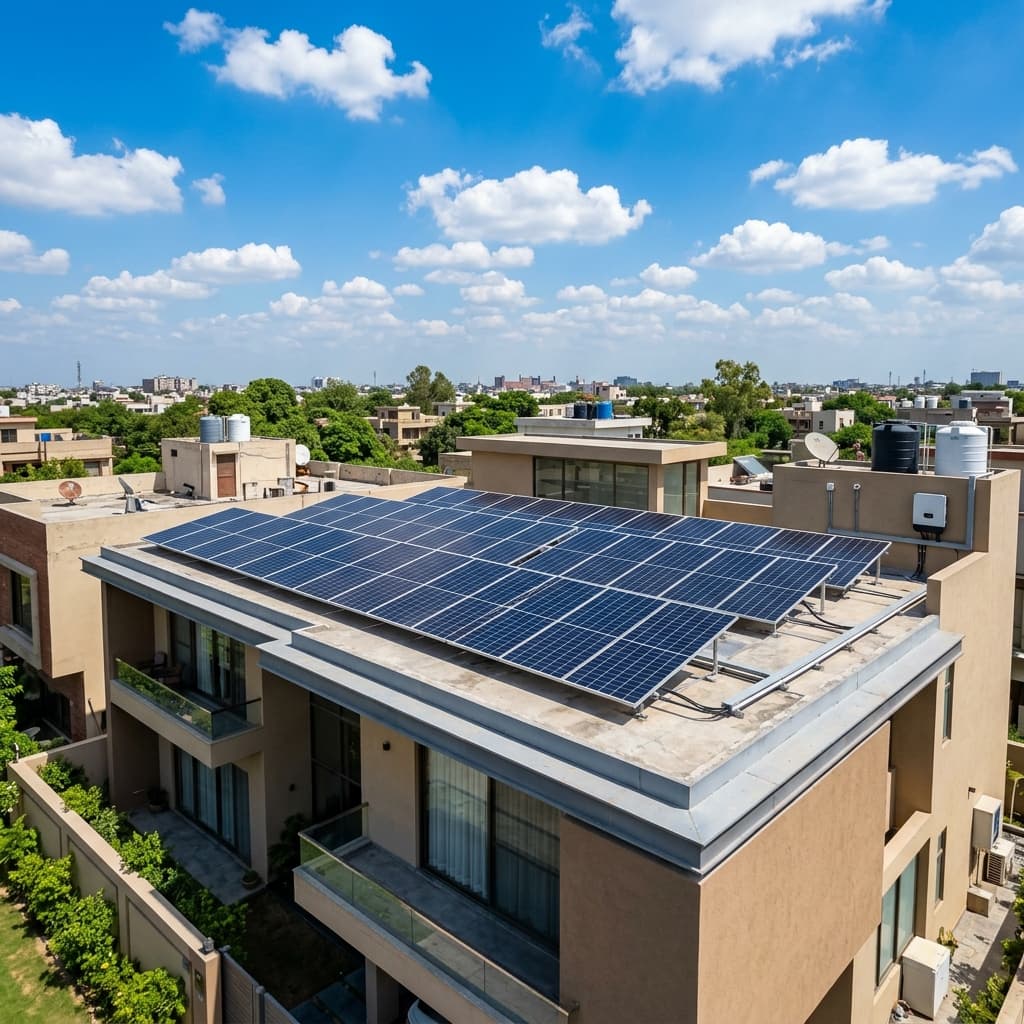
The report calculates that between 2018 and 2026, the rapid grassroots installation of rooftop solar panels across homes, commercial buildings, and factories saved Pakistan a staggering $12.4 Billion in avoided fossil fuel import expenditures.
2. Mitigating Maritime Chokepoint Vulnerabilities
One of the report's most striking revelations is how rooftop solar mitigated critical geopolitical energy risks. Historically, Pakistan ranked third globally in its reliance on petroleum imports transiting through the Strait of Hormuz—one of the world's most volatile maritime energy chokepoints.
During periods of Middle Eastern maritime tension and global LNG spot price spikes, Pakistan frequently faced fuel shipment cancellations and exorbitant spot market premiums.
By generating over 38 Gigawatt-hours of decentralized, zero-fuel daytime power right where it is consumed, Pakistani prosumers created an autonomous domestic energy cushion that shielded the national economy from severe fuel supply disruptions.
"Rooftop solar in Pakistan is a rare economic phenomenon: it was entirely funded by private consumer capital, yet it delivered a multi-billion-dollar public bailout for the national balance of payments."
- $12.4 Billion in Total Cumulative Fuel Import Costs Avoided (2018–2026).
- 24.8 Million Metric Tons of Carbon Dioxide (CO2) Emissions Offsets Achieved.
- Significant reduction in foreign currency drain during periods of high international spot-market LNG prices.
- Stabilization of daytime peak grid electricity supply without firing expensive emergency thermal power plants.
3. Environmental ESG Impact & Carbon Offset Metrics
From an environmental perspective, the rapid growth of distributed solar has fundamentally altered Pakistan's carbon emissions trajectory.
Thermal power plants burning heavy furnace oil (HFO) and dirty coal emit approximately 0.85 to 1.1 kilograms of CO2 per kilowatt-hour generated. By substituting thermal generation with clean solar energy, Pakistan avoided over 24.8 million metric tons of carbon emissions over the 8-year study window.
This massive carbon reduction equivalent is comparable to planting over 400 million mature trees or taking 5.3 million gasoline-powered passenger vehicles off the road permanently.
4. Future Outlook: Projected $6.3 Billion Additional Savings
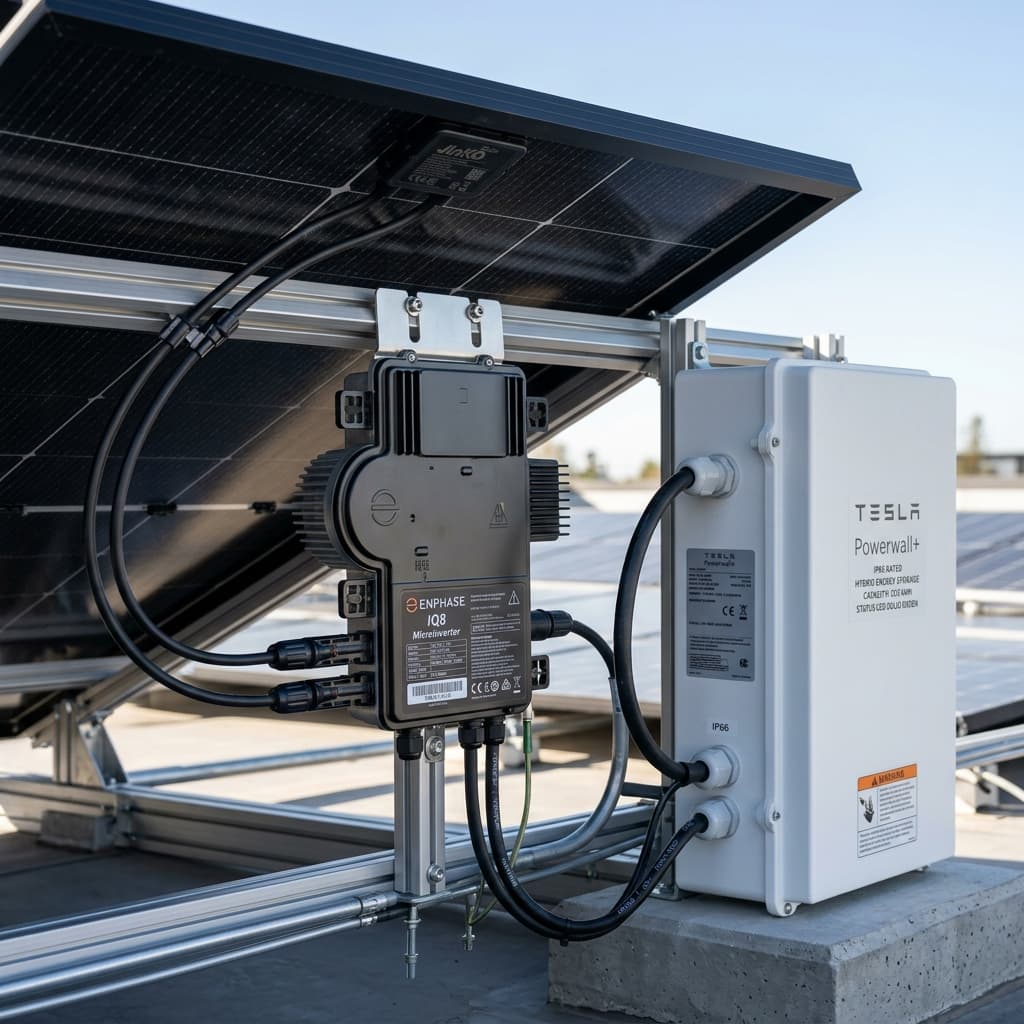
The CREA / Renewables First study projects that as solar adoption expands into agricultural pumping and commercial battery storage (BESS), Pakistan will save an additional $6.3 Billion in avoided fuel imports over the next 36 months alone.
However, researchers caution that government policy must remain supportive. Attempts to penalize rooftop prosumers through punitive export taxes or grid connection bans could slow private capital investment, reigniting the foreign exchange import crisis.
5. Soltronic's Commitment to Pakistan's Clean Energy Future
As a premier EPC solar solutions provider in Pakistan, Soltronic Energy is proud to have contributed directly to this historic $12 billion achievement by deploying hundreds of megawatts of Tier-1 solar infrastructure.
We remain dedicated to empowering Pakistani businesses and homeowners with world-class solar technology, smart battery storage, and turnkey engineering excellence.